1-877-280-2054 (North America)
 647-351-8191
(Worldwide)
647-351-8191
(Worldwide)

 647-351-8191
(Worldwide)
647-351-8191
(Worldwide)

Performing Arts & Theatre Cuba Tours are the Crown Jewel of the Cuba Cultural Tours brought to you by Authentic Cuba Travel®
For Performing Arts & Theatre Professionals interested in conducting Professional Research on Cuba’s Performing Arts and Theatre industry
From October 3 to October 10, 2026
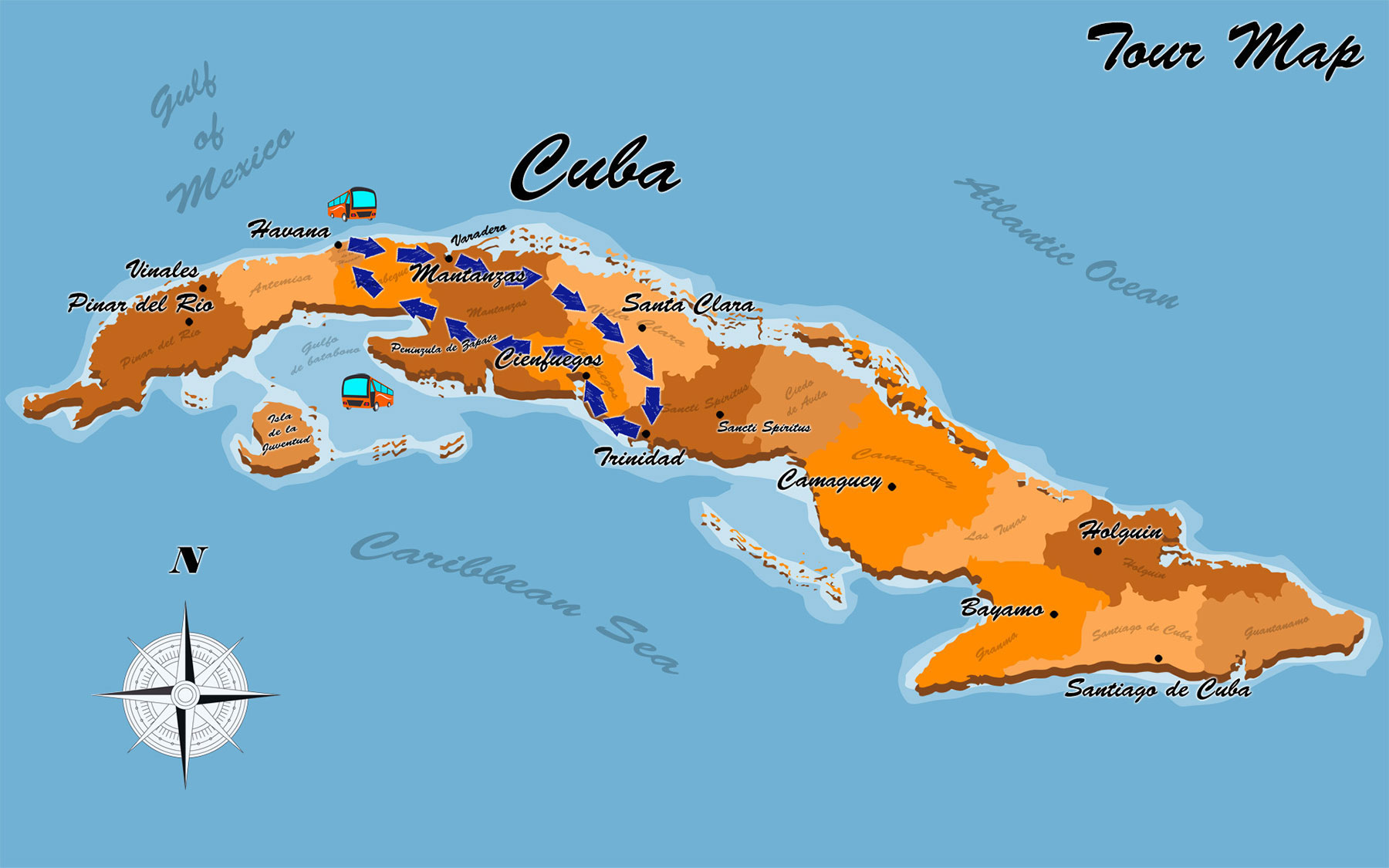
Travel to 4 UNESCO World Heritage Sites: Old Havana, Cienfuegos, Trinidad and more for $2,599 (taxes included)
Referral Discount: $100
And remember every person you invite will also receive a $100 discount!

This Cuba cultural tour for actors, dancers, choreographers, theater directors, performing arts and theatre teachers, set designers, stage managers, arts & entertainment workers and for all performing arts and theatre professionals represents a rare opportunity to explore Cuban performing arts and theatre world, get to know Cuban theatre groups and performing arts companies and meet Cuban performing arts professionals.
Theatrical performances were organized in Cuba as early as the 17th century during the Corpus Christi and patron saint's day festivities then held in every Cuban town. The 19th century was a brilliant period in romantic theatre, while popular or vernacular theatre was very well received by audiences. During the Republican period, small theatre companies that followed contemporary drama styles were abundant, although they survived by donations as they lacked official support.
During the 60s, new theatre companies, playwrights and directors emerged, focusing on both traditional dramas (greatly accepted by theatre goers) and productions that assimilated the newest trends in international theatre. Today, Cuban theatre retains this variety, and several companies and directors have achieved significant popularity with daring and unconventional works.
While the emphasis of this Cuba tour will be on Cuba's performing arts and theatre, this is also a cultural journey. As you explore America’s largest
and best preserved Spanish historical cores such as UNESCO World Heritage Sites: Old Havana, Cienfuegos and Trinidad Historical Centres, you will enjoy cross cultural/
people-to-people experiences that will remain with you for the rest of your life. You will be fascinated by the Cuban people, the Cuban culture, and the social/political/economic structure of Cuba.
Therefore, this performing arts tour is also a brilliant way of seeing the real Cuba; such a passionate and patriotic people have transformed this country into a very environmentally friendly place; partly because of the trade embargo, meaning that nearly everything the Cuban population uses is made and produced in Cuba and as a result is sustainable.
"Rochelle and I have traveled throughout Asia, Africa, and Europe, sometimes on tours, and believe that makes us good judges of the quality of tours, the extensive planning required for a trouble-free tour, and also the quality of a tour guide. In terms of tours, on a scale of 1 to 10, 10 being the highest, you rate an 11 (eleven) for quality of the tour, 11 (eleven) for a hassle-free tour, and a 12 (TWELVE) for tour guides!!!!! In other words, off the charts. Each evening in Cuba we would finish a day and be amazed as the information we received, the things we saw, and the experiences we had." Orv and Rochelle Teising
Please, check the day-by-day below
GENERAL LICENSE FOR PROFESSIONAL RESEARCH CUBA TRAVEL
US Professional Dancers, US Choreographers, US Dance Teachers and Students; and other Performing Arts & Theatre Professionals from USA interested in conducting professional research on Cuba’s Performing Arts and Theatre industry can travel to Cuba under the provisions of the General License for Professional Research.
CATEGORY: General license for Professional Research- 31 C.F.R. § 515.564(a)(1)(2) of the current Office of Foreign Assets Control (OFAC) regulations.
(1) Professional research. The travel-related transactions set forth in § 515.560(c) and such additional transactions as are directly incident to professional research are authorized, provided that:
(i) The purpose of the research directly relates to the traveler's profession, professional background, or area of expertise, including area of graduate-level full-time study; and
(ii) The traveler's schedule of activities does not include free time or recreation in excess of that consistent with a full-time schedule of professional research.
(2) Professional meetings. The travel-related transactions set forth in § 515.560(c) and such additional transactions as are directly incident to attendance at, or organization of, professional meetings or conferences in Cuba are authorized, provided that:
(i) For a traveler attending a professional meeting or conference, the purpose of the meeting or conference directly relates to the traveler's profession, professional background, or area of expertise, including area of graduate-level full-time study;
(ii) For a traveler organizing a professional meeting or conference on behalf of an entity, either the traveler's profession must be related to the organization of professional meetings or conferences or the traveler must be an employee or contractor of an entity that is organizing the professional meeting or conference; and
(iii) The traveler's schedule of activities does not include free time or recreation in excess of that consistent with a full-time schedule of attendance at, or organization of, professional meetings or conferences.
We provide our US travelers with all the required documentation to ensure they are in compliance with 2026 Trump administration’s rules on Cuba travel under the US Cuba Travel category: Professional Research and Professional Meetings. US travelers can choose to depart to Cuba from any US port of their choosing.
Cuba Engage Tours
Notice to US Centers for the Performing Arts, US Dance & Ballet Theatres, US Dance & Ballet Organizations, US Dance & Ballet Councils, and other US Organizations:
US Centers for the Performing Arts, US Dance & Ballet Theatres, US Dance & Ballet Organizations, US Dance & Ballet Councils, and other Organizations from USA can organize a trip to Cuba under the provisions of the General License for Educational Activities, the General License for Support for the Cuban People, the General License for Group People-to-people Educational Travel and other Academic Educational Activities, the General License for Professional Research, the General License for Semi-Professional & Amateur International Sports Competition, the General License for Humanitarian Projects, the General License for Activities of Private Foundations or Research or Educational Institutes among others. Certain conditions are to be met to comply with OFAC General License requirements for each category of USA Cuba travel though.
The mission of your organization and the objective of your trip to Cuba determine under what general license you can travel to Cuba legally. In general, most trips should consist of a full-time schedule of activities intended to promote the exchange with the ordinary citizens of Cuba. This full-time schedule must also include educational activities that result in meaningful interaction in between U.S and Cuban nationals. Free time in excess or regular tourists' activities are not permitted.
We take care of all details both in North America and in Cuba, including VISA and flight arrangements to Cuba's main destinations via USA ports (Miami, Tampa, Fort Lauderdale, Houston, New York, Los Angeles, and others) or through third countries like Canada and Mexico. Authorized US organizations can travel through a third country subject to the same restrictions and requirements as those flying directly from USA.
At Authentic Cuba Travel®, we have been organizing such educational and cultural travel experiences from the United States of America for years with great success.
Notice to US Schools of Music & Dance, US Colleges of Performing Arts, US Dance Centers, US Ballet Schools, US Modern Dance Schools, US Dance Academies, US Conservatories of Dance and other Academic Institutions from USA:
In January 2016, the US Government announced further enhancements to the 12 categories of authorized travel to Cuba that previously required a specific license (this is, lengthy applications to OFAC). Now travel to the Caribbean island is allowed under a general license (this is, self-completed paperwork with no application to OFAC needed).
After President Trump's policy change on USA Cuba travel on February 6, 2025, and July 14, 2025, the General License for Educational Activities remains in place. Accredited U.S. graduate or under graduate degree-granting institutions; U.S. Academic Institutions; and U.S. Schools can organize and sponsor an educational trip to Cuba for their students, faculty and staff under the General License for Educational Activities, provided that the trip meets OFAC guidelines; and that an employee or other representative of the organization escorts the trip to make sure such guidelines are followed by all participants.
US Schools of Music & Dance, US Colleges of Performing Arts, US Dance Centers, US Ballet Schools, US Modern Dance Schools, US Dance Academies, US Conservatories of Dance and other US Academic Institutions can organize and sponsor a trip to Cuba for educational activities. The purpose of the Cuba travel should be for:
_ the participation in a structured educational program offered for credit as part of a course of the sponsoring institution;
_ educational exchanges sponsored by Cuban or U.S. secondary schools involving secondary school students’ participation in a formal course of study or in a structured educational program offered by a secondary school or other academic institution, and led by a teacher or other secondary school official are authorized. This authorization allows for participation of a reasonable number of adult chaperones to accompany the secondary school students to Cuba.
_ attendance at non-commercial academic seminars, conferences and workshops related to Cuba sponsored or co-sponsored by U.S. academic institution.
_ non- commercial academic research related to Cuba for the purpose of obtaining a graduate or undergraduate degree;
_ the participation in a formal course of study at a Cuban academic institution provided that credits will be accepted toward the student’s graduate or undergraduate degree.
We take care of all details both in North America and in Cuba, including VISA and flight arrangements to Cuba's main destinations via USA ports (Miami, Tampa, Fort Lauderdale, Houston, New York, Los Angeles, and others) or through third countries like Canada and Mexico. Authorized US organizations can travel through a third country subject to the same restrictions and requirements as those flying directly from USA.
At Authentic Cuba Travel®, we have been organizing such educational and cultural travel experiences from the United States of America for years with great success.
Want to Take Your Students to Cuba?
Authentic Cuba Travel® operates courses, programs and exchanges sponsored by Cuba’s top educational schools and organizations such as the University of Havana, Cuba's National Ballet School, Cuba's Sports Ministry, San Alejandro’s Arts School, Insituto Cubano de La Musica, Conjunto Folklórico Nacional de Cuba. Request custom-made no-obligation Cuba Study Tours® for your students and check all the resources we put at your service. Do not wait any longer. Now is the time to start planning the next Cuba tour for your students.
Cuba Study Trips

-
Cuba Business Tours & Travel
Explore Cuba's Economy and Private Business Sector
-
Cuba Healthcare Tours & Travel
Professional Research Cuba's Medical System & Healthcare Model
-
Cuba Cultural Tours & Travel
Discover the Wonders of Cuba’s UNESCO World Heritage Sites
-
Cuba Nature Tours & Travel
Visit UNESCO Biosphere Reserves, National Parks & Protected Areas
-
Cuba Architecture Tours & Travel
Explore America’s largest & best preserved Spanish Historical Cities
-
Cuba Catholic Tours & Travel
Exchange with Cubans at Cathedrals, Churches & Social Projects
Cuba School Programs

-
Spanish Immersion Course
Spanish Course sponsored by the University of Havana
-
Ballet Training Course
Ballet Course sponsored by Cuba's National Ballet School
-
Sports Training Exchange
Sports Trainning sponsored by Cuba's Sports Ministry
-
Arts Educational Program
Arts Program sponsored by San Alejandro’s Arts School
-
Jazz Performance
Sponsored by the Havana Jazz Festival’s Organizing Committee
-
Dance Workshops
Sponsored by Conjunto Folklórico Nacional de Cuba
Cuba Education Tours
Cuba Real Tours
Cuba's Performing Arts & Theatre History
Theatrical performances were organized in Cuba as early as the 17th century during the Corpus Christi and patron saint's day festivities then held in every Cuban town. The 19th century was a brilliant period in romantic theatre, while popular or vernacular theatre was very well received by audiences. During the Republican period, small theatre companies that followed contemporary drama styles were abundant, although they survived by donations as they lacked official support.
What's Included?
- Professional Research General License Documentation (for USA Travelers).
- Full-Time Schedule of Professional Research Activities.
- Guided tour of UNESCO World Heritage Site, Havana Historical Centre.
- Guided tour of Cienfuegos city, UNESCO World Heritage Site.
- Guided tour of UNESCO World Heritage Site, Trinidad.
- Professional Meeting at Buendia Theatre Group, directed by actress Flora Lauten.
- Professional Meeting at the headquarters of Conjunto Folklorico Nacional.
- Professional Meeting at Cuba's National Art Schools.
- Professional Meeting at the Lizt Alfonso Ballet School founded in 1991.
- Professional Meeting at Cuba's La Colmenita Children Theater Company.
- Professional Meeting at Korimakao Theatre Troupe & Cultural Project in Playa Larga.
- Professional Meeting at Centro Dramatico de Cienfuegos (Dramatic Centre of Cienfuegos).
- Professional Meeting at Teatro La Trinidad.
- Professional Meeting at Teatro Escambray in the Escambray Mountains.
- Tour the 19th Century Tomas Terry Theatre.
- Tour the 19th Century La Caridad Theatre.
- Attend performances of top performing arts and theatre groups.
- Visit to Hamel alleyway, a picturesque street in Centro Habana.
- Enjoy Afrocuban religious presentation by Regla Folkloric Group.
Quick Facts & Highlights
A meticulously chosen repertoire, workshops, lectures and seminars, top-notch performances, and the unique acting methods of the Buendia Theatre Company have captured the interest of audiences and critics alike both in Cuba and internationally. Its most successful productions include Innocent Eréndira, which toured the world for five years, Another Tempest, The Bacchae and Charenton.
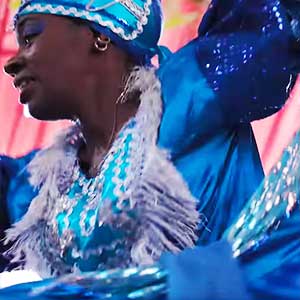
The Conjunto Folklorico Nacional de Cuba (1962), Cuba’s National Folkloric Company’s repertoire of over 70 productions showcases Afro-Cuban dance and music (Yoruba, Congo and Abakua), rumba and typical Cuban country music as well popular dance styles.
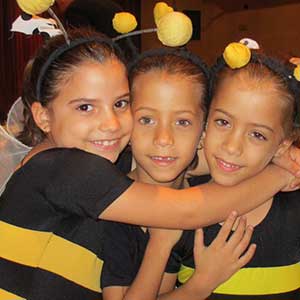
La Colmenita, or 'The Little Beehive' began as a Havana community theater project during one of Cuba's most economically desperate times. Cuba's internationally acclaimed children's theater, a UNICEF Goodwill ambassador, brought its high-energy and entertaining mix of rock and roll and fairy tales to Washington, New York and San Francisco.
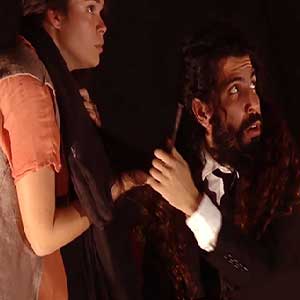
Community-based popular theatre movement began in Cuba about ten years after the triumph of the revolution. Teatro Escambray emerged as internationally recognized models of popular theatre and as valuable sources for research into Cuban cultural tradition and revolutionary transformation.
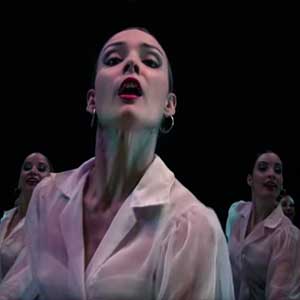
The Lizt Alfonso Ballet is composed only of women and a music band. It has been acclaimed in Cuba and abroad in the USA, Canada, Spain, New Zealand, Venezuela Colombia and France.
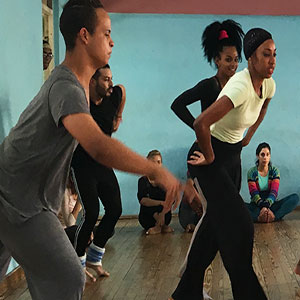
The Korimakao Theatre Troupe & Cultural Project is a cultural community project founded by popular Cuban actor Manuel Porto in the 1990’s in Playa Larga, a very remote rural county in southern Cuba, to bring theatre, music and dance to the inhabitants of this isolated area.

Expert’s Corner
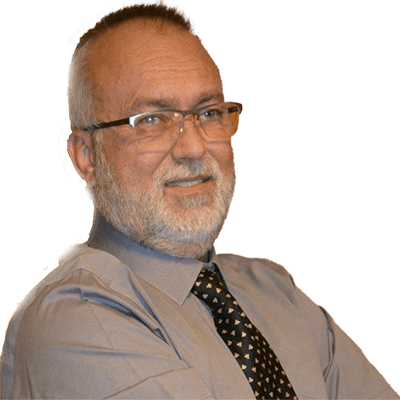
Hello! I’m Bernt Dietmar. Over 20 years ago, I visited Cuba as part of a delegation of American scientists interested in exploring opportunities for research and business collaboration. I was surprised by Cuba’s high academic standards, and the methods used in the educational system. We founded Authentic Cuba Travel® to show that Cuba is more than another Caribbean tourism destination and promote the understanding in between Cuba and North America. I kindly invite you to join us. We'll explore UNESCO World Heritage Sites, exchange with Cubans, partake in local food dishes, music, rum, and much more!


Cuban Festivals
Every year Cuba’s International Festivals brought travellers to Cuba from all over the world. Every year Authentic Cuba Travel® makes sure that those attending international events such as the Havana Jazz Festival, the Havana Book Fair, the Havana Film Festival, the Havana Art Biennial, the Fire Festival, the Havana Ballet Festival or the Habano Cigar Festival get the most out of their Cuba travel experience and get to know the authentic Cuba.
Cuba Fire Festival
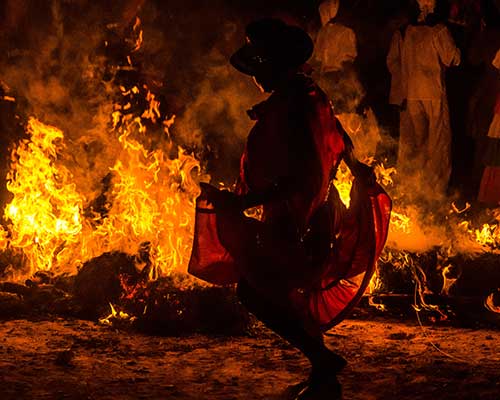
Organized by Casa del Caribe, the annual Cuba Fire Festival will take place in Santiago de Cuba from July 2, 2026 to July 9, 2026. With musical venues at 50 locations and city streets lined with bars and stalls, rum-fuelled revellers get in the festival spirit as live bands, musicians and DJs keep crowds at fever pitch well into the nighttime hours.
Book NowCuba Fire Festival
Organized by Casa del Caribe, the annual Cuba Fire Festival will take place in Santiago de Cuba from July 2, 2026 to July 9, 2026. With musical venues at 50 locations and city streets lined with bars and stalls, rum-fuelled revellers get in the festival spirit as live bands, musicians and DJs keep crowds at fever pitch well into the nighttime hours.
Book Now
Havana Film Festival
The Havana Film Festival promotes the cinematographic works of Spanish- language filmmakers from Latin America, Spain and Cuba. It is sponsored by the Cuban Institute of the Cinematographic Art and Industry, ICAIC. The 47th edition of the Festival International del Nuevo Cine Latinoamericano will take place from December 3, 2026 to December 13, 2026.
Book NowHavana Film Festival
The Havana Film Festival promotes the cinematographic works of Spanish- language filmmakers from Latin America, Spain and Cuba. It is sponsored by the Cuban Institute of the Cinematographic Art and Industry, ICAIC. The 47th edition of the Festival International del Nuevo Cine Latinoamericano will take place from December 3, 2026 to December 13, 2026.
Book Now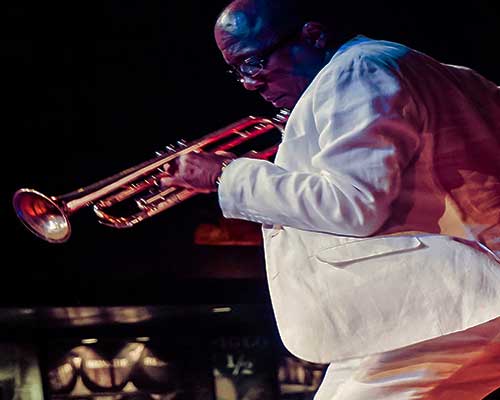
Havana Jazz Festival
The 42nd International Jazz Festival of Havana, which is sponsored by famed Cuban jazz artist Chucho Valdes and ICM, or the Cuban Institute of Music, will be held in numerous locations throughout La Habana from January 24, 2027 to January 31, 2027. More than 100 international bands have joined Cuba’s top Jazz musicians in previous festivals.
Book NowHavana Jazz Festival
The 42nd International Jazz Festival of Havana, which is sponsored by famed Cuban jazz artist Chucho Valdes and ICM, or the Cuban Institute of Music, will be held in numerous locations throughout La Habana from January 24, 2027 to January 31, 2027. More than 100 international bands have joined Cuba’s top Jazz musicians in previous festivals.
Book Now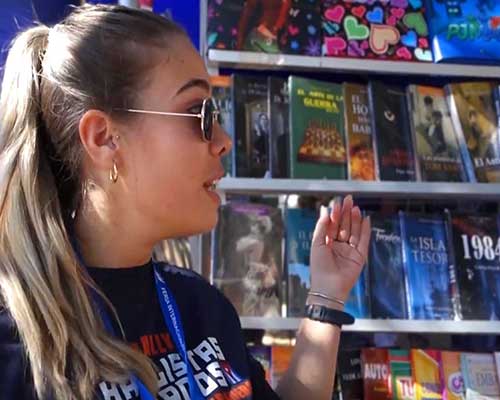
Havana Book Fair
The 35th International Book Fair of Havana will take place in Havana City from February 11 to February 21, 2027. Along with the public, the book fair is attended by Cuban and international authors, publishers, and political officials. Organized by the Cuban Book Institute, the fair transforms the Spanish fortification La Cabana into one of the biggest book parties in the world.
Book NowHavana Book Fair
The 35th International Book Fair of Havana will take place in Havana City from February 11 to February 21, 2027. Along with the public, the book fair is attended by Cuban and international authors, publishers, and political officials. Organized by the Cuban Book Institute, the fair transforms the Spanish fortification La Cabana into one of the biggest book parties in the world.
Book Now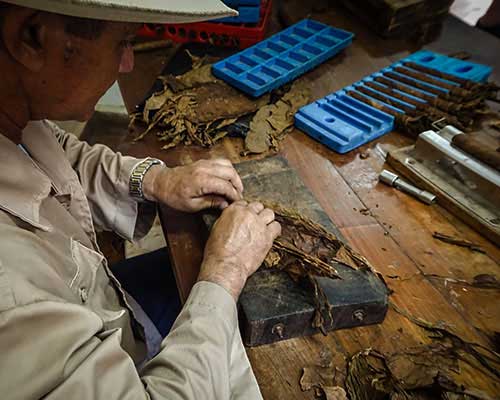
Habano Cigar Festival
Considered by many to be the world’s biggest premium cigar celebration, the XXVII Cigar Festival of Cuba will take place from February 22 to February 26, 2027. The Habano Cigar Festival's Exhibit Fair at Palacio de Las Convenciones regularly attracts some 1500 producers, distributors and businessmen, as well as large numbers of Cigar aficionados and tourists.
Book NowHabano Cigar Festival
Considered by many to be the world’s biggest premium cigar celebration, the XXVII Cigar Festival of Cuba will take place from February 22 to February 26, 2027. The Habano Cigar Festival's Exhibit Fair at Palacio de Las Convenciones regularly attracts some 1500 producers, distributors and businessmen, as well as large numbers of Cigar aficionados and tourists.
Book Now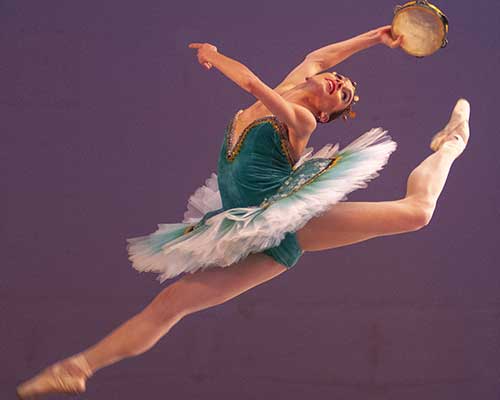
Havana Ballet Festival
The 29th Anniversary of the International Ballet Festival of Havana Alicia Alonso will take place from October 28 to November 6, 2026. Dancers, ballet companies, and choreographers from across the world look forward to the event, which is hosted by Cuba’s National Ballet at the Great Theatre of Havana, the Karl Marx Theatre and the Mella Theatre.
Book NowHavana Ballet Festival
The 29th Anniversary of the International Ballet Festival of Havana Alicia Alonso will take place from October 28 to November 6, 2026. Dancers, ballet companies, and choreographers from across the world look forward to the event, which is hosted by Cuba’s National Ballet at the Great Theatre of Havana, the Karl Marx Theatre and the Mella Theatre.
Book Now
Havana Art Biennial
The 16th Havana Art Biennial will take place from November 15, 2027 to February 28, 2028. The rooster of international and national visual artists will include more than 200 creators from about 20 countries. According to the Wifredo Lam Art Center (organizing institution), the festival will turn the city into an interactive cultural corridor between the creators and public.
Book NowHavana Art Biennial
The 16th Havana Art Biennial will take place from November 15, 2027 to February 28, 2028. The rooster of international and national visual artists will include more than 200 creators from about 20 countries. According to the Wifredo Lam Art Center (organizing institution), the festival will turn the city into an interactive cultural corridor between the creators and public.
Book Now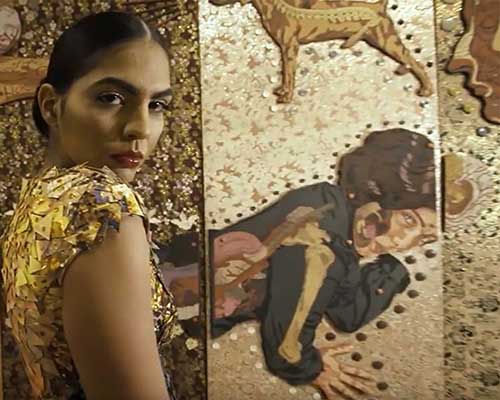
Art & Fashion Festival
The 22nd Edition of the Arte y Moda Festival will take place in the Cuban capital from November 6 to 8, 2026. The event showcases the creativity and innovation of Cuban designers, particularly their emphasis on sustainability through the use of natural and recycled materials. They utilize innovative textiles, focusing on experimental and forward looking fashion.
Book NowArt & Fashion Festival
The 22nd Edition of the Arte y Moda Festival will take place in the Cuban capital from November 6 to 8, 2026. The event showcases the creativity and innovation of Cuban designers, particularly their emphasis on sustainability through the use of natural and recycled materials. They utilize innovative textiles, focusing on experimental and forward looking fashion.
Book NowCUBA TOUR FINDER
Select your authentic Cuba trip from over 70 Cuba tours in seconds. Sort by departure date, price, destination and even Cuba travel theme.
QUICK CUBA TOUR FINDERCuba Tour Itinerary
-
Day 1. Saturday 3 October 2026. Hello Cuba 
Arrival at "Jose Marti" International Airport in Cuba's capital city.
Your Cuban performing arts and theatre journey has just begun!
Meet your Authentic Cuba Travel® tour guide and bus driver.
Private transfer to your hotel Valentin Quinta Avenida (Valentin 5th Avenue) or Luxury Casa Particular located at the cultural center of Havana City.
During the Obama and Trump administrations, the Cuban government significantly eased restrictions on Cubans to rent out rooms in their homes to foreign travelers. Soon Casas Particulares (private rental accommodations owned by a Cuban family or individual) boomed all through the island. Today some of these humble businesses have evolved into high-end full service boutique hotels offering high quality amenities, food and beverage services, wireless internet connection, and the highest level of customer care.
The luxurious 186-room Valentin Quinta Avenida was previously operated by US Starwood Hotels & Resorts. In 2016, this hotel opened as the Four Points Havana becoming the first American hotel in Cuba after the Revolution. The hotel is currently managed by the Valentin Hotel Group, a hotel chain based in Mallorca, Spain.
5-Star Valentin Quinta Avenida (Valentin 5th Avenue)
Address: 5ta Ave, e/ 76 y 80, Miramar, Playa, Havana, Cuba.
Postal Code: 11300.
Telephone: (+53 7) 214 1470 Ext. 8070 & 8071 / (+53 7) 214 1476
Group check-in. Breakfast is complimentary from 7:00 a.m. to 10:00 a.m.
Evening: attend a performance of one of Havana’s top performing arts and theatre groups such as Teatro Buendia, Teatro del Silencio, Teatro La Montaña, Teatro El Publico, Hubert de Blanck Theatre Company, Rita Montaner Theatre Company, Ballet Lizt Alfonso, Danza Teatro Retazos, National Ballet of Cuba and others at the numerous performing arts and theatre venues in the city (Optional – Not included in tour cost). -
Day 2. Sunday 4 October 2026. Havana Breakfast is complimentary everyday from 7:00 a.m. to 10:00 a.m.
Morning: visit to theatre group Buendia, one of the most celebrated independent theater companies in Cuba. Directed by actress, teacher and artistic director Flora Lauten, the company was founded in 1986 with graduates from the Instituto Superior de Arte, with two basic approaches to its work: the production of plays that combine song, dance and acting; and the research into Latin American and Caribbean cultural traditions, the actor's means of expression and new stage languages.
Buendia Theatre Company
Address: Loma e/ 39 y Colón, Nuevo Vedado, Plaza de la Revolución, La Habana.
Postal Code: 10400.
Telephone: +53 7 881 6689
This visit is a great opportunity for North American performing arts and theatre professionals, as well as faculty and students from US Colleges of Performing Arts to conduct professional research on Cuba’s performing arts and theatre industry and to attend professional meetings with Cuban counterparts.
Lunch: a new wave of paladares (privately-owned restaurants) has recently swept the Cuban dining scene offering excellent food and charming ambient. Today we’ll enjoy a welcome lunch at the stylish Paladar San Cristobal, one of Havana's top ten private restaurants.
Followed by guided walking tour of Old Havana, a UNESCO World Heritage Site dating back colonial times which is apparent in the its baroque and neoclassic architecture.
Next we will embark on a ferry boat ride across Havana harbour to the town of Regla. This Afrocuban community has a long, rich and still active tradition of African-inspired religions integral part of today's Cuba's Religions.
We'll visit Regla's church dedicated to the black "Virgen de Regla" Yemayá, the African goddess of the sea in the Yoruba religion and the patron saint of sailors.
We will enjoy a private Afrocuban religious dance presentation by Regla Folkloric Group. Supporting the work of independent Cuban nongovernmental organizations, community projects and independent dance teachers, instructors and assistants that promote independent business activity in Cuba by patronizing their private entrepreneurial activities is an integral part of our full-time schedule of professional research.
Free time in the famous handicraft market of Old Havana, located inside the Almacenes de Depósito San José, an old warehouse on the harbour side where you can purchase all sorts of crafts and souvenirs by local artisans.
Evening: attend a performance of one of Havana’s top performing arts and theatre groups such as Teatro Buendia, Teatro del Silencio, Teatro La Montaña, Teatro El Publico, Hubert de Blanck Theatre Company, Rita Montaner Theatre Company, Ballet Lizt Alfonso, Danza Teatro Retazos, National Ballet of Cuba and others at the numerous performing arts and theatre venues in the city (Optional – Not included in tour cost). -
Day 3. Monday 5 October 2026. Explore Cuba's capital, Havana City Morning: visit to the headquarters of Cuba’s La Colmenita Children Theater Company, directed by Carlos Alberto Cremata. Created in 1990, La Colmenita is the result of the voluntary work of Mr. Cremata and a troupe of young theater school graduates. Storing props and costumes in garages, and using bicycles for transportation, they took children’s plays throughout the island, eventually sparking the creation of grass-roots “colmenitas” across Cuba.
La Colmenita
Address: 9na Avenida No.605 e/ Av.41, Buenavista, Playa, La Habana.
Postal Code: 11300.
Telephone: +53 7 202 2887
This visit is another great opportunity for performing arts and theatre professionals, as well as faculty and students from colleges of performing arts from USA, Canada and all over the world to conduct professional research on Cuba’s performing arts and theatre industry and to learn about artistic education in Cuba. The theatre group, which started as a performing troupe that went into pediatric hospitals and then brought theater to the very rural areas of Cuba, has now toured more than 25 countries including the United States. Professional meetings with directors, teachers and children.
Followed by guided coach tour of the most important sites of Modern Havana such as the Capitol building, the Grand Theatre, Central Park, Prado promenade, Sevilla Hotel, Revolution Square, Malecón seawall, Monument to the Battleship Maine, Hotel Nacional, University of Havana, Cristóbal Colón Cemetery, and the Miramar, Central Havana and Vedado neighbourhoods.
Visit to Callejon de Hammel. An alley in which facades of all buildings display mural painting inspired on Afro- Cuban religions by late painter Salvador Gonzales. Here we will also enjoy a street Rumba performance!
Lunch hosted by Jose Fuster, one of the most important Cuban ceramists and painters today. In the small fishing town of Jaimanitas, Fuster have decorated more than 80 homes with unique and vibrant murals that celebrate the authenticity of those who live in the area.
Afternoon: visit to the headquarters of Conjunto Folklorico Nacional. The most outstanding performers of the National Folklore Group will show the secrets of Cuba folk dances, a mix of African and Spanis roots, and the magical sounds produced by the Cuban percussion instruments.
Conjunto Folklorico Nacional de Cuba
Address: Calle 4 No. 103 e/ Calzada y 5ta, Vedado, Plaza de la Revolución, La Habana.
Postal Code: 10400.
Telephone: +53 7 830 3060
Evening: attend a performance of one of Havana’s top performing arts and theatre groups such as Teatro Buendia, Teatro del Silencio, Teatro La Montaña, Teatro El Publico, Hubert de Blanck Theatre Company, Rita Montaner Theatre Company, Ballet Lizt Alfonso, Danza Teatro Retazos, National Ballet of Cuba and others at the numerous performing arts and theatre venues in the city (Optional – Not included in tour cost). -
Day 4. Tuesday 6 October 2026. Havana Morning: visit to the Lizt Alfonso Ballet School founded in 1991. Lizt Alfonso’s choreographies are dance and music of a kind no one else creates: a seamless fusion of Spanish classical dance, ballet, flamenco and Afro-Cuban dance. Tour the school and exchange with choreographers, dancers, and others.
Lizt Alfonso Ballet ($5 - $20)
Address: Compostela No.659 e/ Luz y Acosta, Habana Vieja, La Habana.
Postal Code: 10100.
Telephone: +53 7 866 3680
This morning professional meeting with Cuban performing arts professionals (choreographers, dancers, and others) will particularly enhance the professional research of those travelers from USA, Canada and all over the world whose profession, professional background, or area of expertise (including area of graduate-level full-time study) relates to professional dancing, choreography and dance education.
A new wave of paladares (private family-run restaurants) has recently swept the Cuban dining scene offering excellent food and charming ambient. Today we’ll enjoy a welcome lunch at the stylish Paladar Cafe Laurent at the penthouse terrace of a small 1950s apartment building.
Morning: guided tour of Cuba's National Art Schools (ISA). ISA professors are all active visual artists, art curators or art critics. The faculty of visual arts provides a combination of theory and practice designed for students serious about pursuing artistic achievement through concentrated study.
Study at the Institute is comparable to conservatory work in the United States. This is a great opportunity to exchange with the new generation of Cuban visual artists. We will be holding professional meetings with students and professors.
Evening: attend a performance of one of Havana’s top performing arts and theatre groups such as Teatro Buendia, Teatro del Silencio, Teatro La Montaña, Teatro El Publico, Hubert de Blanck Theatre Company, Rita Montaner Theatre Company, Ballet Lizt Alfonso, Danza Teatro Retazos, National Ballet of Cuba and others at the numerous performing arts and theatre venues in the city (Optional – Not included in tour cost). -
Day 5. Wednesday 7 October 2026. Havana- Cienfuegos- Trinidad Morning departure to Trinidad, in Central Cuba.
As part of your full-time schedule of professional research into Cuba’s Performing Arts and Theatre industry, today we will visit Korimakao, a cultural community project founded by popular Cuban actor Manuel Porto in the 1990’s in Playa Larga, a very remote rural county in southern Cuba.
Korimakao Theatre Troupe & Cultural Project
Address: Pálpite, Cienaga de Zapata, Ciénaga de Zapata, Matanzas.
Postal Code: 43000.
Telephone: +53 4 591 5515
En route, we will visit Cienfuegos City, a city of neoclassical buildings with a European flair.
Lunch is included at Paladar Ache, one of Cienfuegos top ten private restaurants, serving local specialties in a pleasant courtyard.
Afternoon: visit to Centro Dramatico de Cienfuegos (Dramatic Centre of Cienfuegos) founded more than 60 years ago. Attend a professional meeting with actress and director Diana Padron to discuss the theatre techniques, playwright's creative writing of drama, stage management and stagecraft that have made possible the longevity and popularity among the young audience of the theatre group.
This visit is another great opportunity for North American performing arts and theatre professionals, as well as faculty and students from colleges of performing arts to conduct professional research on Cuba’s performing arts and theatre industry and to exchange with Cuban counterparts.
Followed by guided walking tour of Cienfuegos' Historical Center.
We will visit neoclassical buildings around Paseo del Prado and the main Square Jose Marti such as:
The Tomas Terry Theatre, completed in 1895 and named after a sugar baron from Venezuela who arrived in Cuba with no money and made his fortune by buying sick slaves for a low price, to later nurse them back to health and reselling them. This money was invested in a sugar estate that brought him the wealth to build several outstanding buildings in Cienfuegos, including this theatre, with materials specially brought over from Europe.
The Casa de la Cultura, home of another wealthy sugar baron, stunning mansion in neoclassical style.
The Cathedral built with the donation of wealthy families like the Lebrancs, the Albis, the Terrys. Inside you find the reproductions of the 12 Apostles in stained glass imported from Paris. Also the original machinery of the clock tower was built in France. Still in place and working.
We'll also visit the elegant art gallery Galería de Arte Maroya and review its impressively displayed collection of paintings, sculptures and antiques.
Now we journey on to the historic city of Trinidad and check in at your Luxury Casa Particular. You'll have time for dinner and a swim in the warm waters of the Caribbean Sea. -
Day 6. Thursday 8 October 2026. Trinidad Morning: private tour to the recently restored Teatro La Caridad (Charity's Theater) (1885). Declared a National Monument of Cuba in 1981, it is one of the eight Grand Theaters of Cuba’s colonial period. The building showcases a sober exterior but it is the engineering of its angled rooftop, the amount of windows and doors (for better acoustics and air flow), and the interior decorations by Cuban masters that shows off. The auditorium holds 440 people and it hosts the theater group Teatro La Trinidad today.
As part of your full-time schedule of professional research into Cuba’s performing arts, today we will hold a professional meeting with Cuban actress and director Yanny Gonzales as well as choreographers, dancers, and other staff of Teatro La Trinidad.
Lunch at Solananda Paladar.
Afternoon: guided walking tour of UNESCO World Heritage Site, Trinidad’s Historical Center, a perfect relic of the early days of the Spanish colony with beautifully preserved streets and buildings with hardly a trace of the 20th century anywhere.
We will stop at a mirador (lookout) over the Sugar Mill Valley, where the sugar barons used to have their countryside mansions and mills. This site is an UNESCO World Heritage Site.
Trinidad is well known for its pottery makers. We meet with a family that has been passing the tradition for generations: the Santanders.
Evening is free to enjoy the beach, hotel amenities, and the lively streets of Trinidad. How about live Cuban popular music on steps of Casa de la Música – a great opportunity to dance with Cubans and your tour companions. -
Day 7. Friday 9 October 2026. Trinidad Morning: visit to group theatre, Teatro Escambray, based in La Macagua, in the heart of the Escambray Mountains. Topes de Collantes, which is both the name of the natural reserve and the village here, is one of the best places to enjoy the Cuba's natural beauty. 'Theatre Group Escambray was founded in 1968 by actors Sergio Corrieri and Gilda Hernández. In its early years, its repertoire drew from the dynamics between the actors and the peasant community of the Escambray Mountains.
Teatro Escambray
Address: La Macagua, La Campana, Manicaragua, Villa Clara.
Postal Code: 53200.
Telephone: +53 4 249 9193
Afternoon: transfer back to Havana City.
Check in at your hotel Valentin Quinta Avenida (Valentin 5th Avenue) or Luxury Casa Particular located at the cultural center of Havana City. -
Day 8. Saturday 10 October 2026. Departuree Early morning departure to Havana City International Airport for departure.
Cuba Themed Tours
If you’ve got an idea of which style of trip will suit you best, take a look at our different trip themes below, as there’s something to suit everyone. Not only are there themed tours to fit any budget and interest, each Authentic Cuba Travel® experience immerses you in the authentic Cuba so hard to explore while just staying in full packed beach resorts.

Festival Tours
Our festival tours give travelers VIP access to all venues and happenings of Cuba’s famous international events such as the Havana Jazz Festival, Book Fair, Ballet Festival and others.

Study Tours
Through peer to peer interaction, our Cuba Study Tours® transcend ordinary tourism by immersing American students in the local culture, history, politics, music and contemporary arts.

Cultural Tours
Cuba Pathfinder® is your gateway to discover the unique Cuban cultural heritage, a set of traditions & memories not showcased in museums but much alive & thriving.

Architecture Tours
An architectural passage through Cuba’s best preserved colonial cities and unique architectural heritage, our architecture tours visit all UNESCO World Heritage Sites in Cuba.

Photography Tours
Capturing stirring pictures of authentic Cuban destinations it is not the only mission of our photography tours. Capture the essence of the Cuban culture and the kindness of its people.

Educational Tours
Our educational tours represents a great opportunity for K-12 teachers, university & college professors to explore Cuba’s education system while exploring colonial cities, towns and villages.

Nature Tours
An odyssey into Cuba's tropical paradise, our nature & bird watching tours gain access to the most pristine natural sites, from UNESCO Biosphere Reserves to National Parks.

Jewish Tours
A journey into the Jewish history in Cuba, our tours will strengthen the ties between Cuban Jewish communities and North American Jews. All while visiting 4 UNESCO World Heritage Sites!

Sports Tours
What sets our sports tours apart are the private exchanges with players, coaches & staff as well as sports journalists & personalities. Then you have best seats at the games!
List of Cuba Tours 2026

-
Tour Name
Tour Dates
Cost
-
Photography Tour II
Havana, Vinales, Trinidad
Jun 6- Jun 13, 2026
$2,629 Book Now
-
Cuba Art Explorer II
Havana, Cienfuegos, Trinidad
Jun 6- Jun 13, 2026
$2,599 Book Now
-
Cuba Education Tour 5
Havana, Cienfuegos, Trinidad
Jun 6- Jun 13, 2026
$2,599 Book Now
-
Real Cuba Tour 6
Havana, Las Terrazas, Vinales
Jun 6- Jun 13, 2026
$2,599 Book Now
-
Cuba Engage Tour 6
Havana, Bay of Pigs, Trinidad
Jun 6- Jun 13, 2026
$2,599 Book Now
-
Cuba Fire Festival
Havana, Santiago de Cuba
Jul 2- Jul 9, 2026
$2,799 Book Now
-
Real Cuba Tour 7
Havana, Las Terrazas, Vinales
Jul 4- Jul 11, 2026
$2,599 Book Now
-
Cuba Engage Tour 7
Havana, Bay of Pigs, Trinidad
Jul 4- Jul 11, 2026
$2,599 Book Now
-
Cuba Business Tour 2
Havana, Matanzas, Varadero
Jul 4- Jul 11, 2026
$2,599 Book Now
-
Healthcare Cuba Tour 2
Havana, Cienfuegos, Trinidad
Jul 4- Jul 11, 2026
$2,599 Book Now
-
Cuba Education Tour 6
Havana, Santiago de Cuba
Jul 4- Jul 11, 2026
$2,799 Book Now
-
Cuba Education Tour 7
Havana, Las Terrazas & Vinales
Jul 11- Jul 18, 2026
$2,599 Book Now
-
Jews of Cuba Travel
Havana, Santa Clara, Cienfuegos
Aug 6- Aug 13, 2026
$2,799 Book Now
-
Real Cuba Tour 8
Havana, Las Terrazas, Vinales
Aug 8- Aug 15, 2026
$2,599 Book Now
-
Cuba Engage Tour 8
Havana, Bay of Pigs, Trinidad
Aug 8- Aug 15, 2026
$2,599 Book Now
-
Photography Tour III
Havana, Vinales, Trinidad
Aug 8- Aug 15, 2026
$2,629 Book Now
-
Cuba Education Tour 8
Havana, Cienfuegos, Trinidad
Aug 8- Aug 15, 2026
$2,599 Book Now
-
Cuba Art Explorer III
Havana, Vinales
Aug 8- Aug 15, 2026
$2,599 Book Now
-
Cuba Legal Travel
Havana, Vinales
Aug 8- Aug 15, 2026
$2,799 Book Now
-
Cuba Architecture I
Havana, Cienfuegos, Trinidad
Aug 8- Aug 15, 2026
$2,599 Book Now
-
Seven Cities II
Havana, Santiago de Cuba
Aug 8- Aug 19, 2026
$3,329 Book Now
-
Real Cuba Tour 9
Havana, Las Terrazas, Vinales
Sep 5- Sep 12, 2026
$2,599 Book Now
-
Cuba Engage Tour 9
Havana, Bay of Pigs, Trinidad
Sep 5- Sep 12, 2026
$2,599 Book Now
-
Baseball Tour
Havana, Cienfuegos, Trinidad
Sep 5- Sep 12, 2026
$2,999 Book Now
-
African Heritage
Havana, Las Terrazas, Vinales
Oct 3- Oct 9, 2026
$2,699 Book Now
-
Real Cuba Tour 10
Havana, Las Terrazas, Vinales
Oct 3- Oct 10, 2026
$2,599 Book Now
-
Cuba Engage Tour 10
Havana, Bay of Pigs, Trinidad
Oct 3- Oct 10, 2026
$2,599 Book Now
-
Dance Cuba Tour
Havana, Las Terrazas
Oct 3- Oct 10, 2026
$2,599 Book Now
-
Performing Arts Tour
Havana, Cienfuegos, Trinidad
Oct 3- Oct 10, 2026
$2,599 Book Now
-
Cuba Ballet Festival
Havana, Vinales
Oct 31- Nov 7, 2026
$2,999 Book Now
-
Jo Jazz Havana
Havana, Las Terrazas, Vinales
Nov 4- Nov 11, 2026
$2,799 Book Now
-
Seven Cities I
Havana, Santiago de Cuba
Nov 5- Nov 16, 2026
$3,329 Book Now
-
Cuba Nature Tour
Havana, Vinales, Trinidad
Nov 6- Nov 15, 2026
$2,799 Book Now
-
Art & Fashion Festival
Havana, Cienfuegos, Trinidad
Nov 6- Nov 13, 2026
$2,699 Book Now
-
Real Cuba Tour 11
Havana, Las Terrazas, Vinales
Nov 7- Nov 14, 2026
$2,599 Book Now
-
Cuba Engage Tour 11
Havana, Bay of Pigs, Trinidad
Nov 7- Nov 14, 2026
$2,599 Book Now
-
Cuba Business Tour 3
Havana, Matanzas, Varadero
Nov 7- Nov 14, 2026
$2,599 Book Now
-
Healthcare Cuba Tour 3
Havana, Cienfuegos, Trinidad
Nov 7- Nov 14, 2026
$2,599 Book Now
-
Havana Film Festival
Havana, Vinales
Dec 7- Dec 14, 2026
$2,899 Book Now
-
Real Cuba Tour 12
Havana, Las Terrazas, Vinales
Dec 26- Jan 2, 2027
$2,799 Book Now
-
Cuba Engage Tour 12
Havana, Bay of Pigs, Trinidad
Dec 26- Jan 2, 2027
$2,799 Book Now
-
Cuba Education Tour 9
Havana, Cienfuegos, Trinidad
Dec 26- Jan 2, 2027
$2,599 Book Now
-
Cuba Education Tour 10
Havana, Bay of Pigs, Santa Clara
Dec 26- Jan 2, 2027
$2,599 Book Now
-
Cuba Education Tour 11
Havana, Santiago de Cuba
Dec 26- Jan 2, 2027
$2,799 Book Now
-
Bird Watching Tour
Havana, Zapata, Trinidad
Dec 26- Jan 2, 2027
$2,599 Book Now
-
Cuba Architecture II
Havana, Cienfuegos, Trinidad
Dec 26- Jan 2, 2027
$2,799 Book Now
-
Cuba Art Explorer IV
Havana, Las Terrazas
Dec 26- Jan 2, 2027
$2,799 Book Now
-
Photography Tour IV
Havana, Vinales, Trinidad
Dec 26- Jan 2, 2027
$2,729 Book Now
-
Jewish Heritage Tour
Havana, Cienfuegos, Trinidad
Dec 26- Jan 2, 2027
$2,899 Book Now
-
Family Discovery Tour
Havana, Cienfuegos, Trinidad
Dec 26- Jan 2, 2027
$2,699 Book Now
-
Real Cuba Tour 1
Havana, Las Terrazas, Vinales
Jan 9- Jan 16, 2027
$2,599 Book Now
-
Cuba Engage Tour 1
Havana, Bay of Pigs, Trinidad
Jan 9- Jan 16, 2027
$2,599 Book Now
-
Cuba Jazz Festival
Havana, Cienfuegos, Trinidad
Jan 24- Feb 1, 2027
$3,099 Book Now
-
Santiago Jazz Festival
Santiago de Cuba
Jan 24- Jan 31, 2027
$2,899 Book Now
-
Havana Jazz Festival
Havana, Vinales
Jan 27- Feb 1, 2027
$2,499 Book Now
-
Havana Book Fair
Havana, Cienfuegos, Trinidad
Feb 12- Feb 19, 2027
$2,799 Book Now
-
Real Cuba Tour 2
Havana, Las Terrazas, Vinales
Feb 6- Feb 13, 2027
$2,599 Book Now
-
Cuba Engage Tour 2
Havana, Bay of Pigs, Trinidad
Feb 6- Feb 13, 2027
$2,599 Book Now
-
Habano Cigar Festival
Havana, Vinales
Feb 20- Feb 27, 2027
$8,999 Book Now
-
Cuba Education Tour 1
Havana, Cienfuegos, Trinidad
Feb 20- Feb 27, 2027
$2,599 Book Now
-
Cuba Education Tour 2
Havana, Cienfuegos, Trinidad
Feb 27- Mar 6, 2027
$2,599 Book Now
-
Cuba Al Natural
Havana, Zapata, Trinidad
Mar 6- Mar 17, 2027
$2,859 Book Now
-
Cuba Business Tour 1
Havana, Matanzas, Varadero
Mar 6- Mar 13, 2027
$2,599 Book Now
-
Healthcare Cuba Tour 1
Havana, Cienfuegos, Trinidad
Mar 6- Mar 13, 2027
$2,599 Book Now
-
Real Cuba Tour 3
Havana, Las Terrazas, Vinales
Mar 6- Mar 13, 2027
$2,599 Book Now
-
Cuba Engage Tour 3
Havana, Bay of Pigs, Trinidad
Mar 6- Mar 13, 2027
$2,599 Book Now
-
Cuba Art Explorer I
Havana, Vinales
Mar 6- Mar 13, 2027
$2,599 Book Now
-
Bird Watching Tour
Havana, Zapata, Trinidad
Mar 6- Mar 13, 2027
$2,599 Book Now
-
Cuba Education Tour 3
Havana, Cienfuegos, Trinidad
Mar 6- Mar 13, 2027
$2,599 Book Now
-
Cuba Education Tour 4
Havana, Vinales
Mar 13- Mar 20, 2027
$2,599 Book Now
-
Photography Tour I
Havana, Vinales, Trinidad
Apr 3- Apr 10, 2027
$2,629 Book Now
-
The Nature of Cuba
Havana, Vinales, Trinidad
Apr 3- Apr 12, 2027
$2,799 Book Now
-
Real Cuba Tour 4
Havana, Las Terrazas, Vinales
Apr 3- Apr 10, 2027
$2,599 Book Now
-
Cuba Engage Tour 4
Havana, Bay of Pigs, Trinidad
Apr 3- Apr 10, 2027
$2,599 Book Now
-
4 Biosphere Reserves
Rosario, Zapata, Buenavista
Apr 30- May 9, 2027
$2,999 Book Now
-
Real Cuba Tour 5
Havana, Las Terrazas, Vinales
May 8- May 15, 2027
$2,599 Book Now
-
Cuba Engage Tour 5
Havana, Bay of Pigs, Trinidad
May 8- May 15, 2027
$2,599 Book Now
-
Havana Art Biennial
Havana, Vinales
Dec 11- Dec 18, 2027
$2,799 Book Now
SUBSCRIBE
Be in the know and sign up for email updates from Authentic Cuba Travel®. Our monthly Newsletters are full of great information for art teachers, art curators, photographers, artists, performing arts & theatre professionals, dancers and those travellers interested in Cuban culture & arts. Last minute discounts on Cuba cultural tours, contests and featured cultural travel opportunities. All to keep you up to date with the cultural world of Authentic Cuba Travel®.
NewsletterMemberships & Affiliations






Bella Travel Group Ltd. (Federal Corporation number: 765324-7) owns and operates the following registered trademarks: Authentic Cuba Travel® is a trademark registered at the Canadian Intellectual Property Office (CIPO), Registration No. TMA975677 | Cuba Pathfinder® is a trademark registered at the Canadian Intellectual Property Office (CIPO), Registration No. TMA997988 | Cuba Pathfinder® is a trademark registered at the United States Patent and Trademark Office (USPTO), Registration No. 5498353 | Cuba Study Tours, Make Cuba Your Classroom® is a trademark registered at the United States Patent and Trademark Office (USPTO), Registration No. 5833051.