 Havana City
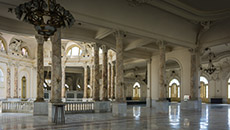
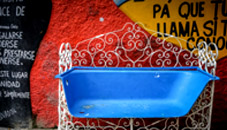
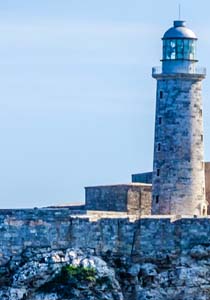
 is one of the most stunning architecturally designed cities in the world, with extraordinary variety and quality. Its architecture mirrors its rich social and political history. Contrasts of color and texture are shaped on the facades.
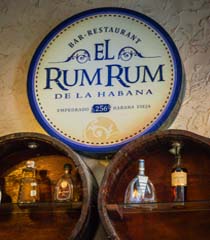
Cuban cuisine, an integral part of Cuba’s culture, is a fusion of Spanish and Caribbean cuisines. Cuban recipes share spices and techniques with Spanish cooking, with some Caribbean influence in spice and flavour.
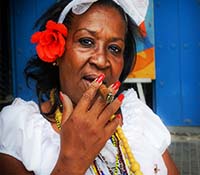
Cuba's cultural heritage stems from the country's rich mix of Aboriginal, African, Spanish, French, and Chinese cultures.
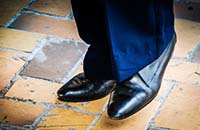
Cuban music is very rich and is the most commonly known expression of culture. The central form of this music is Son, which has been the basis of many other musical styles like salsa, rumba and mambo and an upbeat derivation of the rumba, the cha-cha-cha.
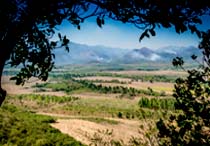
The Sugar Mill Valley is one of the most photographed landscapes in Cuba, as well as a
must-photograph in every Cuba cultural tour. The monumental value of the 65 sites that form the valley increases the interest to visit this place, where important vestiges of the island's sugar colonization still survive.
Day 1. Thursday 26 December 2024.
Hello Cuba
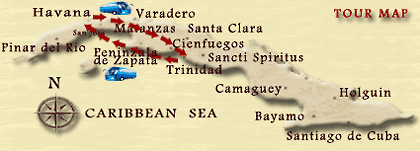
Arrival at "Jose Marti" International Airport in Cuba's capital city.
Your Cuba family discovery journey has just begun!
Meet your
Authentic Cuba Travel® tour guide and bus driver.
Private transfer to your
Luxury Casa Particular located at the cultural center of
Havana City.
Group check-in.
Breakfast is complimentary from 7:00 a.m. to 10:00 a.m.
Day 2. Friday 27 December 2024.
Explore Cuba's capital, Havana City
Morning: guided walking tour of
Old Havana, UNESCO World Heritage Site.
Visit to
Square of Arms, ancient military parade ground for Spanish soldiers and surrounded by impressive buildings such as:
Palacio de los Capitanes Generales was the former seat of colonial government. Today the building houses the Museum of the City.
Palacio del Segundo Cabo, the seat of the second authority of the island. Today it houses important publishing concerns.
Castillo de la Real Fuerza. The second oldest fortress built by the Spaniards in the West Indies. The castle was recently renovated
and reopened in June 2008 to hold the impressive maritime museum. Well laid out exhibits chart Spain and Cuba's naval history.
Visit to the
Cathedral Square, the most beautiful and private 18th century colonial plaza of Cuba, named after the masterpiece of
Cuban baroque architecture: the Cathedral of Havana built by the Jesuit order.
Visit to
Taller Experimental de Gráfica (Experimental Printing Workshop), a cooperative of young Cuban artists whom can be found working on their lithographs over stone matrices in the large, airy building. The variety of colors, sizes, and content of the prints is wide, including pieces with recognizable Cuban icons, bold black and white woodcuts.
Lunch: a new wave of paladares (privately-owned restaurants) has recently swept the Cuban dining scene offering excellent food and charming ambient. Today we’ll enjoy a welcome lunch at the stylish
Paladar San Cristobal, one of Havana's top ten private restaurants.
Continue walking tour onto
San Francisco Square, one of the oldest in the historical quarter.
Visit to
Plaza Vieja, the only civic square of colonial times. Notice it doesn't have a church or government building around.
Here we will visit important institutions for visual arts.
Free time in the famous
handicraft market of Old Havana where you can purchase all sorts of crafts and souvenirs by local artisans.
Evening: attend one of the most traditional and popular ceremonies in Cuba,
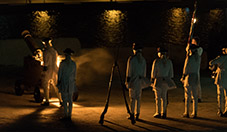
Fire of the Cannon of 9 O'Clock at the
Fortress of San Carlos de La Cabana.
Day 3. Saturday 28 December 2024.
Havana
Morning: visit to the
Children's Academy of Baseball at the City of Sport. Good opportunity to make donations of baseball equipment to children baseball players and discuss the remarkable Cuban sport program. Meet with Pedro Almenares, the former Brooklyn Dodger farmhand and star of the Cuban winter league.
Followed by panoramic air conditioned coach tour of the most important historical sites in the
Modern Havana neighborhoods of
Vedado and Miramar including the
Revolution Square,
University of Havana,
Habana Libre hotel, Coppelia Ice Cream Park, Plaza José Martí (in front of U.S. Interests Section), Monument to the Battleship Maine, Malecón seawall, Prado promenade, Central Park, The Great Theatre and the Capitol building.
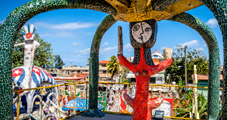
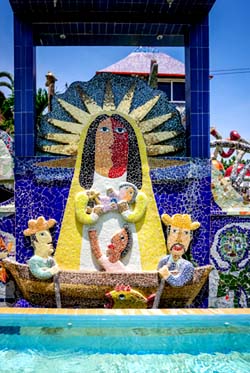
Lunch hosted by Jose Fuster, one of the most important Cuban ceramists and painters today.
Afternoon: free afternoon for personal explorations.
Day 4. Sunday 29 December 2024.
Havana- Cienfuegos- Trinidad
Morning departure to
Trinidad, in Central Cuba.
En route, we will visit
Cienfuegos, a city of neoclassical buildings with a European flair.
Visit to
Palacio de Valle upon arrival. This architectural jewel originated as a home for trader, Celestino Caceres, who later
gave it as a wedding present to the Valle family who added to it (in a Mughal Style with carved floral motifs) a stunning Carrara
marble staircase, cupped arches, bulbous domes and delicate arabesques.
Lunch is included at
Paladar Ache, one of Cienfuegos top ten private restaurants, serving local specialties in a pleasant courtyard.
Afternoon: guided walking tour of
Cienfuegos Historical Center.
We will visit neoclassical buildings around
Paseo del Prado and the main
Square Jose Marti such as:
The
Tomas Terry Theatre, completed in 1895 and named after a sugar baron from Venezuela who arrived in Cuba with no money and
made his fortune by buying sick slaves for a low price, to later nurse them back to health and reselling them. This money was
invested in a sugar estate that brought him the wealth to build several outstanding buildings in Cienfuegos, including this
theatre, with materials specially brought over from Europe.
The
Casa de la Cultura, home of another wealthy sugar baron, stunning mansion in neoclassical style.
The
Cathedral built with the donation of wealthy families like the Lebrancs, the Albis, the Terrys. Inside you find the
reproductions of the 12 Apostles in stained glass imported from Paris. Also the original machinery of the clock tower was built
in France. Still in place and working.
We'll also visit the elegant art gallery
Galería de Arte Maroya and review its impressively displayed collection of paintings,
sculptures and antiques.
Now we journey on to the historic city of Trinidad and check in at your
Luxury Casa Particular.
You'll have time for dinner and a swim in the warm waters of the Caribbean Sea.
Day 5. Monday 30 December 2024.
Trinidad
Morning: guided walking tour of UNESCO World Heritage Site,
Trinidad's Historical Center, a perfect relic of
the early days of
the Spanish colony with beautifully preserved streets and buildings with hardly a trace of the 20th century anywhere.
Visit to the
Architecture Museum (Casa de los Sanchez Iznaga), housing the most representative samples of the city's architectural
development in the 18th and 19th centuries.
Visit to
Museo Lucha contra Bandidos, former home of the San Francisco de Asis convent.
Visit to
Museo Romantico, overlooking the Trinidad main square. It has an excellent exhibition of romantic style porcelain, glass,
paintings and decorative furniture which belonged to the Conde de Brunet and other Trinidad notorious families.
We will stop at a mirador (lookout) over the
Sugar Mill Valley, where the sugar barons used to have their countryside mansions and
mills. This site is an UNESCO World Heritage Site.
Trinidad is well known for its
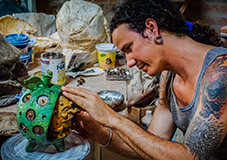
pottery makers. We meet with a family that has been passing the tradition for generations:
the Santanders.
Lunch at
Solananda Paladar.
Free time to wander the streets of historical centre or enjoy the beach.
Evening is free to enjoy the beach and the lively streets of Trinidad. How about live Cuban popular music on
steps of
Casa de la Música – a great opportunity to dance with Cubans and your tour companions.
Day 6. Tuesday 31 December 2024.
Topes de Collantes
Morning: we will board former Russian army trucks for
Topes de Collantes in the Escambray Mountain Range,
Cuba's second highest mountain range- reaching 3,700 feet atop Pico San Juan. The mountains are home to small mountain
villages and are a delight for birders and walkers alike. Slopes are swathed in Caribbean pines, ancient tree ferns, bamboo,
and eucalyptus.
Arrival at
Hacienda Codina, an old Spanish Hacienda, once part of a large Spanish coffee plantation where we will have a typical
lunch. Followed by a walk around this area to admire the beauty of the surrounding landscape.
Topes de Collantes National Park in the Escambray mountains in Central Cuba. A perfect place for
encountering the Cuban Emerald
(
Chlorostilbon ricordii), Broad-winged Hawk (
Buteo platypterus), Cuban Parrot (
Amazono leucocephala),
Fernandina’s Flicker
(
Colaptes fernandinae)…
Evening:
celebrate New Year’s Eve at a venue of your choosing tonight (optional/ not included in tour costs). Your tour guide will give you advice on the numerous venues in the city where you can partake in the celebrations for New Year’s Eve. He will also help you book your favourite dinner and event.
Day 7. Sunday 1 January 2024.
Trinidad
Morning: free. This is a great occasion to sunbathe, swim, snorkel, relax and spend time with your family, friends, new Cuban friends and tour mates. Your beach resort offers many aquatic activities and services. Some are free, and others available for a very reasonable fee.
Afternoon: transfer back to
Havana City. Check in at your hotel
Habana Libre.
Day 8. Monday 2 January 2024.
Departure
Early morning departure to Havana City International Airport for
departure.




 Hola! My name is Yane Marquez and I was born and raised in Cuba. After graduating from the University of Havana and the Tourism School of Cuba, I worked for over 10 years as a tour guide, translator and event organizer for Cuba's travel companies and organizations. I guided many groups attending Cuba's main international festivals, fairs and events. A few years ago, I moved to Canada where I have continued promoting Cuba’s tourism industry. I would be more than happy to answer any question you have about festival Cuba travel. Do not miss out!
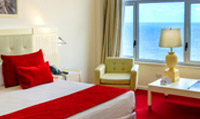












 Authentic Cuba Travel®'s cultural tours are hosted by Cuba’s key Culture ministries, organizing committees and Cuban culture personalities. Travel with the peace of mind of knowing you are in the best hands!